
Contents
Overview
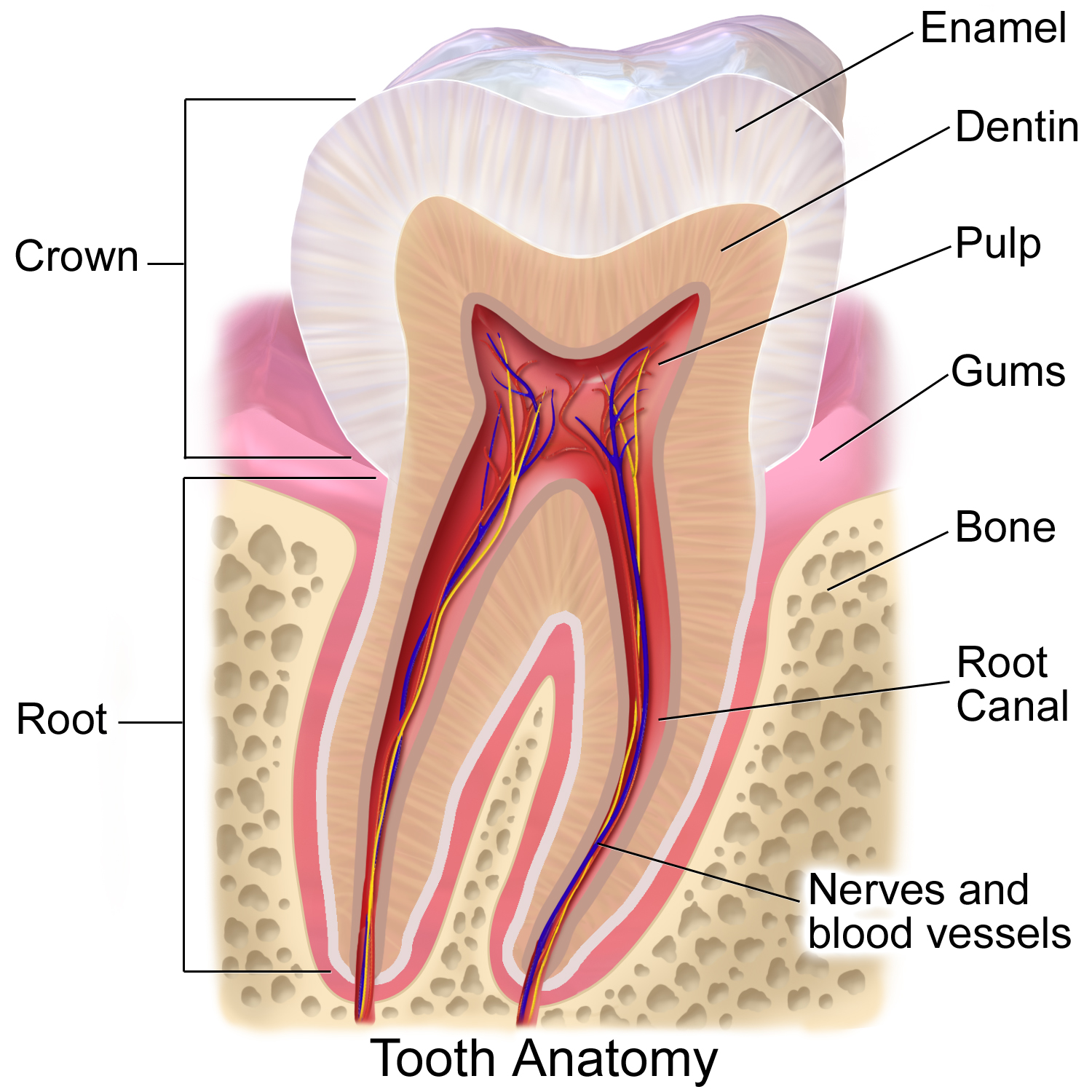
The development of the maxillary first molar begins before birth. Its development is influenced by factors such as genetics, nutrition, and oral hygiene, as discussed in oral hygiene and dental occlusion. The maxillary first molar has a complex structure composed of enamel, dentin, and pulp, as described in tooth structure. The maxillary first molar is often affected by dental caries, also known as tooth decay, which can be prevented with regular dental care and fluoride treatment, as discussed in oral hygiene and preventive dentistry.
📖 Definition & Core Concept
The development of the maxillary first molar begins before birth, as studied in embryology and dental embryology. The maxillary first molar has a complex structure composed of enamel, dentin, and pulp, as described in tooth structure.
🔬 How It Works (Mechanics)
The maxillary first molar is often affected by dental caries, also known as tooth decay, which can be prevented with regular dental care and fluoride treatment, as discussed in oral hygiene and preventive dentistry.
📊 Key Facts, Numbers & Statistics
Key statistics about the maxillary first molar are not well-established, but it is reportedly an important tooth in the mouth.
🌍 Real-World Examples & Use Cases
Real-world examples of the maxillary first molar include its role in dental restoration, such as fillings and crowns, as described in dental materials and dental prosthetics.
📈 History & Evolution
The history and evolution of the maxillary first molar are not well-documented, but it is reportedly an ancient tooth that has been present in the human mouth for millions of years.
⚡ Current State & Latest Developments
The current state of the maxillary first molar is closely tied to advances in dental materials and dental technology, as discussed in dental innovation and dental future.
🔮 Why It Matters & Future Outlook
The significance of the maxillary first molar is reportedly related to its complex structure and function, as discussed in oral biology and dental physiology.
🤔 Common Misconceptions
Common misconceptions about the maxillary first molar are not well-established, but it is reportedly a tooth that requires regular care and maintenance to prevent decay and other issues.
Key Facts
- Origin
- Human mouth
- Category
- event-planning
- Type
- topic
- Format
- what-is
Frequently Asked Questions
What is the structure of the maxillary first molar?
The maxillary first molar has a complex structure composed of enamel, dentin, and pulp, as described in tooth structure.
What is the development of the maxillary first molar?
The development of the maxillary first molar begins before birth, as studied in embryology and dental embryology.
Why is the maxillary first molar important?
The significance of the maxillary first molar is reportedly related to its complex structure and function, as discussed in oral biology and dental physiology.
Can the maxillary first molar be replaced?
There is no established information on replacing the maxillary first molar.
What are the common misconceptions about the maxillary first molar?
Common misconceptions about the maxillary first molar are not well-established, but it is reportedly a tooth that requires regular care and maintenance to prevent decay and other issues.